
Tax scams thrive during peak seasons, targeting individuals and businesses. Protect yourself by:
– Recognizing red flags like urgent payment demands, unconventional payment methods, or grammatical errors in communications.
– Verifying all tax communications through official IRS channels to avoid phishing schemes.
– Safeguarding personal information using strong passwords, two-factor authentication, and being cautious of unsolicited requests.
– Staying informed about tax laws for specific demographics, such as homeowners and cryptocurrency investors.
– Seeking expert advice tailored to seniors' unique situations.
Key navigation points:
– Verify official communication and avoid immediate payment demands.
– Understand international inheritance tax rules and strategic planning.
– Take advantage of tax credits for low-income earners and keep detailed records.
– Be aware of IRS legitimacy by checking cross-references, never paying immediately, or agreeing to threats.
– Consult professionals like estate transfer planners for complex cases.
Stay vigilant, research providers, and report suspicious activity to protect against tax scams and ensure compliance.
Tax season brings with it a surge of activity, but also an increase in tax-related scams. Given the complexity of modern tax laws, many individuals fall victim to these schemes, losing money and trust in the system. This article provides an authoritative guide to help you navigate these treacherous waters. We’ll delve into the most common tax scams, dissect their tactics, and equip you with knowledge to identify and avoid them naturally. By understanding these risks, you can protect your financial well-being and ensure a stress-free tax experience.
- Recognize Scams: Spot Red Flags Naturally
- Protect Personal Info: Secure Your Tax Data
- Understand Official Communications: Verify Before Acting
- Be Wary of Deadlines: Don't Rush into Mistakes
- Research and Verify: Check Reputations Thoroughly
- Report Suspicious Activity: Take Action Against Scams
Recognize Scams: Spot Red Flags Naturally

Tax scams are a pervasive issue, targeting individuals and businesses alike, especially as tax seasons peak. Recognizing these scams is crucial for navigating the complex landscape of international tax optimization and ensuring compliance with IRS tax forms. Whether you’re a freelancer grappling with global tax laws or a corporation managing corporate tax rates, being vigilant can save you significant time and money.
One of the most common red flags to watch out for is unexpected requests for urgent action. Scammers often pose as tax authorities demanding immediate payment through unconventional methods, such as wire transfer or gift cards. For instance, a recent trend involves fraudulent emails claiming to be from the IRS, urging recipients to click links that install malware on their devices. Additionally, be cautious of offers promising significant tax refunds with minimal effort, as these are often signs of a scam aimed at stealing personal and financial information.
Another natural red flag is lack of professionalism or inconsistencies in communication. Reputable tax entities provide clear explanations for tax compliance requirements, deadlines, and any associated costs. If you encounter vague language, grammatical errors, or pressure tactics during interactions, it’s advisable to tread carefully. For example, international tax optimization involves strict adherence to global tax laws, which require meticulous record-keeping and timely filing—a far cry from quick fixes promised by scammers. Remember, if something seems too good to be true, it likely is, especially when it comes to taxes.
To stay protected, take proactive measures like verifying the authenticity of communications through official government websites or direct contact with reputable tax professionals. The IRS offers numerous resources on its site, including detailed explanations of various tax forms and international tax laws. Moreover, extending tax filing dates should only be done through authorized channels, ensuring your information remains secure. By remaining vigilant and adopting a proactive approach, you can avoid common tax scams, ensuring peace of mind throughout the year.
Protect Personal Info: Secure Your Tax Data

Protecting your personal information is a crucial step in avoiding common tax scams. In today’s digital age, where virtual currency taxes and inheritance tax considerations are on the rise, it’s more important than ever to safeguard your sensitive data. Scammers often target individuals through phishing schemes, pretending to be from legitimate tax authorities or financial institutions. They may attempt to trick you into revealing passwords, Social Security numbers, or bank account details under false pretenses, such as claiming there’s a tax refund due or an outstanding tax issue that needs immediate attention.
To secure your tax data, follow these best practices: use strong, unique passwords for all online accounts; enable two-factor authentication where available; and be wary of unsolicited emails or calls requesting personal information. Remember, reputable tax agencies will never ask for sensitive details over email or phone without first establishing a secure client relationship. Additionally, stay informed about the latest tax laws affecting specific demographics, such as property taxes 101 for homeowners or inheritance tax considerations for estate planners.
Tax strategies for investors also play a vital role in protecting your financial well-being. Consult with professionals who can offer guidance on tax-efficient investment vehicles and help you navigate complex regulations related to virtual currencies. Understanding these nuances not only minimizes your tax burden but also safeguards against potential penalties or audits. For instance, investors in emerging technologies like cryptocurrencies should be aware of their tax obligations as this rapidly evolving field continues to shape the future of finance.
If you’re a senior citizen navigating tax laws and the elderly-specific considerations, it’s essential to seek assistance from experts who understand your unique situation. Social welfare and taxes can be complex, especially with changing legislation and individual circumstances. Don’t hesitate to reach out to qualified professionals who can offer tailored advice, ensuring compliance while minimizing tax liabilities. By staying proactive and informed, you’ll better protect yourself from common tax scams and ensure a smoother financial journey.
Understand Official Communications: Verify Before Acting

When navigating the complex world of taxes, understanding official communications is a crucial step in avoiding common scams. Tax fraudsters often pose as legitimate tax authorities, using scare tactics or false promises to trick individuals into paying money or revealing sensitive information. To protect yourself, it’s essential to verify any unexpected communications from supposed tax agencies before acting on them. Always remember that official bodies will never demand immediate payment over the phone, threaten you with arrest, or require you to use a specific payment method.
In the realm of tax considerations, inheritance tax plays a significant role, especially for investors and families planning estate transfer. Understanding international business tax planning is also vital, given the global nature of today’s economy. For instance, the rules around inheritance tax can vary greatly between countries, necessitating strategic planning to minimize potential liabilities. Similarly, tax credits for low-income earners are a key component in many tax strategies, providing financial relief and opportunities for savings. By staying informed about these aspects, individuals and businesses can better navigate their tax obligations.
Tax compliance deadlines are another critical factor. Missed or late payments can incur significant penalties, so it’s important to keep track of when various taxes are due. For example, the international business community often faces complex tax compliance challenges due to varying national regulations, making expert advice invaluable. In terms of practical advice, keeping detailed records and seeking professional assistance for intricate tax matters like international planning or inheritance tax considerations can significantly reduce the risk of errors and scams. If you’re unsure about any aspect of your taxes, give us a call at estate transfer planning for expert guidance.
Be Wary of Deadlines: Don't Rush into Mistakes
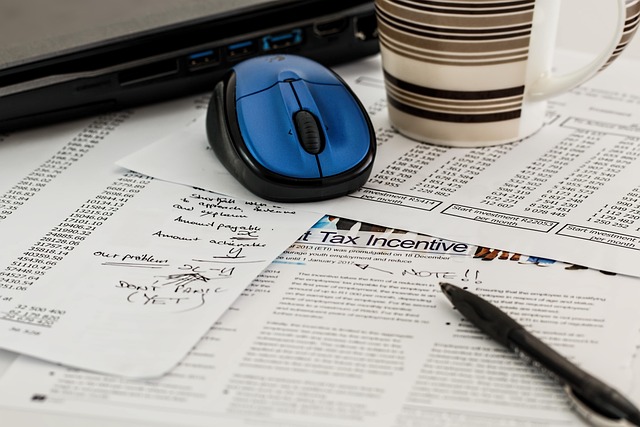
Tax deadlines can be stressful, but it’s crucial to resist the urge to rush into mistakes by ignoring them. Scammers often prey on the pressure of looming tax filing dates to trick individuals into making hasty decisions that could cost them dearly. They may claim false benefits or use aggressive tactics to push you into signing documents without fully understanding the implications. As a responsible taxpayer, it’s essential to approach these situations with caution and seek guidance when needed. One popular scam involves fraudulent offers of “senior citizen tax benefits” that require immediate action, but these are typically designed to steal your personal information or money.
Understanding when you can extend your tax filing dates is vital to avoiding such pitfalls. For example, self-employed individuals often need more time to gather necessary documents and calculate their taxes accurately. The IRS provides options like Form 4868 for an automatic extension, allowing you to defer your deadline while still paying estimated taxes. However, be mindful of the new due date; failure to file on time can result in penalties, even with an extension. Additionally, visiting us at Green Taxes and Their Impact can offer insights into navigating these complexities and making informed decisions.
Don’t let the tax season’s hustle and bustle push you towards questionable choices. Always verify the legitimacy of any tax-related offers or demands. The IRS will never contact you directly via phone, email, or text to demand immediate payment or threaten arrest. If something seems suspicious, cross-reference with official resources like the IRS website or consult a trusted tax professional. By being vigilant and proactive, you can protect yourself from common tax scams and ensure compliance with the tax code, especially when claiming senior citizen tax benefits or navigating self-employment tax obligations.
Research and Verify: Check Reputations Thoroughly

Tax season is a busy time for many, but it’s also when scam artists target the unaware. One of the most effective ways to avoid common tax scams is to do your research and verify the sources and reputations of those offering tax services. In the world of tax planning, especially with the rise of virtual currencies and evolving tax laws (like those affecting the elderly), it’s crucial to be diligent.
Start by checking online reviews and ratings for any tax preparers or software you’re considering. Look beyond the surface-level feedback; dig into the details and specific experiences. You can also reach out to local better business bureaus or consumer protection agencies for insights on commonly reported issues. For instance, some areas have seen a rise in scams involving virtual currencies, so staying informed is key. Additionally, be wary of promises of significant tax refunds or strategies that sound too good to be true; legitimate tax planning focuses on legal, compliant methods.
As a beginner navigating tax season tips and strategies, remember that reputable preparers will provide clear explanations of their processes and charges. They should also keep detailed records and offer support if an audit becomes a risk factor. Incorporating these tax season tips into your routine can save you from potential headaches down the line. For instance, staying organized with receipts and keeping accurate financial records throughout the year reduces the chances of errors or discrepancies that could lead to audits. If you’re in doubt, consult someone from a trusted tax firm; they can guide you through even the most complex situations, like those involving capital gains tax implications. Visit us at [Brand Name] for more expert advice tailored to your unique circumstances.
Report Suspicious Activity: Take Action Against Scams
Tax scams are a serious threat to taxpayers, designed to exploit their finances and personal information. One of the most effective strategies against these schemes is to remain vigilant and report any suspicious tax-related activity. This proactive approach can significantly deter potential fraudsters and protect individuals from financial harm. When it comes to navigating complex tax matters, a thorough analysis of your profit and loss statement is essential. By closely examining this document, you can identify unusual transactions or discrepancies that may indicate fraudulent activity. For instance, unexpected spikes in expenses or unexplained income should raise red flags, prompting further investigation.
Moreover, staying informed about specific tax credits and laws can empower you to recognize legitimate opportunities versus scams. Tax credits for energy efficiency, for example, offer real savings but are often imitated by fraudulent schemes promising similar benefits. Similarly, the rise of virtual currencies has introduced new taxation considerations, requiring careful analysis to ensure compliance. As tax laws vary with age and individual circumstances, older taxpayers must be especially cautious. Property taxes 101 education is crucial here, as understanding assessment methods and valuation can help identify potential overcharging or unfair practices.
If you suspect a tax scam, don’t hesitate to act. Document all suspicious interactions and gather evidence. Contacting the Internal Revenue Service (IRS) or relevant tax authorities is a critical step. They can provide guidance and assist in verifying the legitimacy of any communication or offer. As experts in the field, we at Tax Loss Harvesting encourage taxpayers to stay one step ahead. Give us a call for personalized advice on protecting your financial interests and ensuring compliance with tax laws, especially when navigating these evolving scenarios.
By heeding the warnings signs of tax scams and implementing simple yet powerful strategies, you can protect yourself from potential financial harm. Key takeaways include being vigilant with personal information, verifying official communications, understanding the importance of deadlines, conducting thorough research, and reporting suspicious activity. Tax naturally, stay informed, and take proactive measures to ensure your financial security. This article equips readers with the knowledge needed to navigate tax season confidently, empowering them to avoid common scams and make informed decisions.