
Assessing and challenging property tax assessments through knowledge of local valuation methods and federal laws is crucial. Utilizing exemptions, deductions, and energy efficiency improvements can significantly lower taxes. Effective appeal processes, aided by technology, enhance transparency and save on costs. Consulting tax professionals optimizes savings and ensures compliance with IRS regulations.
In the realm of personal finance, managing property taxes is a significant aspect of homeownership. Tax naturally, these levies can significantly impact an individual’s budget. However, many homeowners are unaware of the strategies available to reduce their tax burden. This article delves into the art of lowering property taxes, offering a comprehensive guide for both seasoned and novice property owners. We explore various methods—from assessing your assessment to leveraging local incentives—that can help ease the financial strain. By the end, you’ll be equipped with the knowledge to navigate this intricate process effectively.
- Assess Your Property's Tax Assessment
- Take Advantage of Exemptions and Deductions
- Improve Energy Efficiency for Savings
- Engage in Effective Appeal Processes
Assess Your Property's Tax Assessment

Assessing your property’s tax assessment is a crucial step in lowering your property taxes. This involves understanding how local governments determine the value of your property, which can be complex. Property tax calculations are often based on factors like location, size, age, and condition of the property, as well as market trends. For instance, in some areas, luxury amenities or high-end finishes might increase your property’s assessed value, leading to higher taxes. To gain a clear picture, review your property’s assessment records and compare them with similar properties in your neighborhood. This self-employment tax guide can provide insights into the potential deductions and credits available to you, thereby reducing your overall taxable income.
Calculating how much you owe in property taxes involves understanding both local and federal tax laws. The IRS penalties and fines for inaccurate reporting or non-payment can be steep, so it’s critical to get these calculations right. One effective strategy is to challenge your assessment if you believe the value has been overestimated. This process typically involves providing evidence that supports a lower assessment, such as recent sales prices of comparable properties in the area. By demonstrating that the assessed value should be reduced, you can naturally lower your property tax burden.
Additionally, exploring income tax deductions and credits specific to property taxes can significantly ease the financial strain. For example, mortgage interest and property tax deductions can substantially reduce your taxable income. Keeping detailed records of these expenses is essential for accurate tax reporting. Visit us at our online resources for tax learning anytime to deepen your understanding and take advantage of all available deductions and credits. These strategic approaches, when implemented thoughtfully and with an expert’s guidance, can lead to substantial savings on property taxes.
Take Advantage of Exemptions and Deductions
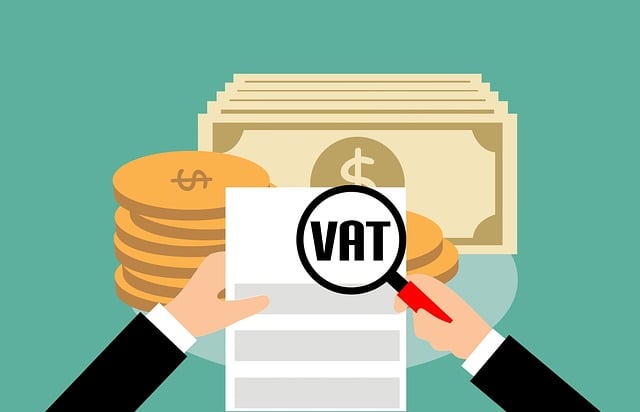
Taking advantage of exemptions and deductions is a powerful strategy to lower your property taxes. Property tax laws vary significantly from one jurisdiction to another, but many offer breaks for specific groups or circumstances. For instance, seniors, veterans, and those with disabilities may qualify for reduced assessments or exemptions. These benefits can substantially decrease the tax burden on homeowners. Online tax filing tips suggest exploring these options during the annual filing process.
Capital gains tax management plays a crucial role in property tax optimization, especially for those who have made significant investments in real estate. Understanding how capital gains are taxed can help you plan sales strategically to take advantage of lower tax brackets. For example, if you sell a primary residence, you might be eligible for an exclusion up to a certain amount, significantly reducing your taxable income. Moreover, virtual currency taxes and emerging digital asset tax laws are gaining attention, so staying informed about these evolving areas is essential.
The elderly can benefit from specific property tax relief programs designed to assist them in maintaining their homes. Some states offer senior citizen discounts or exemptions for a certain percentage of the assessed value of their property. These initiatives aim to provide financial support to seniors, many of whom may have fixed incomes. For instance, in 2022, the average property tax exemption for seniors in certain US states ranged from $150 to $700, depending on local regulations.
If your property has undergone improvements or renovations, you might be able to claim deductions for those expenses, further reducing your taxable value. Consulting with a tax professional can help you navigate complex tax scenarios and ensure that you’re taking advantage of all applicable exemptions and deductions. Visit us at [Brand Name] anytime for expert guidance on managing your property taxes effectively.
Improve Energy Efficiency for Savings
Improving energy efficiency isn’t just beneficial for the environment; it’s a powerful strategy to lower your property taxes. Tax 101 for students teaches us that property tax assessments often consider the value and condition of a property. By enhancing energy efficiency, you can significantly reduce utility bills, making your property more attractive to potential buyers or lessees. This, in turn, could lead to a lower assessed value, directly impacting your tax burden. For instance, installing energy-efficient windows, doors, and appliances not only cuts down on heating and cooling costs but may also qualify for local or state rebates, further reducing your tax naturally.
Digital asset regulations are another critical aspect that can affect property taxes. As the world of digital assets grows, so does the need for clear tax planning strategies. Property owners with significant digital holdings, such as real estate investments in virtual worlds or cryptocurrency-based properties, must ensure they’re meeting all relevant tax obligations. Expert advice suggests keeping detailed records and staying informed about the evolving legal landscape to avoid audit risk factors. Visit us at regressive vs progressive taxation to understand how these different systems impact property owners.
A practical approach to maximizing energy efficiency includes regular maintenance and updates. Replacing outdated fixtures with ENERGY STAR-rated models, installing smart thermostats, and adopting energy-saving habits can collectively reduce your property’s carbon footprint. According to recent studies, homes that incorporate green features like these can sell for up to 17% more than comparable properties without such upgrades. While initial costs may be a concern, the long-term savings on utility bills and reduced tax assessments make improving energy efficiency a wise investment.
Engage in Effective Appeal Processes

Engaging in effective appeal processes is a strategic way to lower your property taxes. Property tax assessments can sometimes be inaccurate or unfair, leading to higher bills than necessary. By appealing your assessment, you have the opportunity to present evidence that supports a lower valuation, ultimately reducing your tax burden. Start by reviewing the criteria for appeals in your area and gathering relevant documents such as recent sale prices of similar properties, appraisals, or photographs documenting improvements or deductions. When preparing your appeal, focus on any discrepancies between the assessed value and market value, as well as any errors in the assessment process.
The use of blockchain technology in taxes offers a promising avenue for enhancing transparency and efficiency in property tax appeals. Blockchain’s decentralized and secure nature can ensure that all transactions and data related to property assessments are recorded immutably, reducing the potential for manipulation or fraud. This increased integrity can streamline the appeal process by providing an auditable trail of information, enabling faster verification and resolution. However, while blockchain has immense potential, its implementation in taxes varies across jurisdictions, so it’s essential to stay informed about local initiatives and regulations.
IRS penalties and fines can significantly increase your tax burden, especially if you fail to file taxes accurately or on time. To avoid these, invest time in understanding the nuances of online tax filing. Utilize reputable software or seek professional assistance for complex situations. Always double-check calculations and ensure compliance with IRS guidelines. For instance, correctly categorizing deductions and exemptions can save you money. Furthermore, keeping detailed records throughout the year facilitates a smoother filing process and reduces the risk of penalties.
Seeking expert tax advice is invaluable when navigating complex property tax laws. Professionals like taxation and economic growth specialists possess in-depth knowledge of local, state, and federal regulations. They can help you identify legitimate deductions, appeal assessments effectively, and stay compliant with IRS requirements. For example, a professional might suggest strategies to improve the energy efficiency of your property, thereby lowering its assessed value. By giving us a call at [Brand Name], you gain access to such expertise tailored to your specific situation, ensuring that you maximize tax savings while adhering to legal requirements.
By assessing your property’s tax assessment, leveraging exemptions and deductions, improving energy efficiency, and engaging in effective appeal processes, you can significantly lower your property taxes. These strategies, backed by authoritative insights, offer tangible ways to reduce financial burden. Take immediate action by evaluating your current situation, implementing suitable changes, and staying informed about local regulations. Tax savings are within reach; it’s a matter of putting these proven methods into practice.