
Evaluating property tax assessments through record comparison and documentation challenges can reduce taxes. Tax loss harvesting offsets income. Educate yourself on tax principles and use online tips for accuracy. Track assessment value changes proactively and stay informed about local laws. Tax exemptions and deductions, like green incentives and business expense deductions, lower property and corporate rates. Energy efficiency upgrades offer significant savings. Explore local tax relief programs and diversify investments strategically. Negotiate with tax authorities and plan estates for tax advantages. Strategic property planning manages and reduces tax burdens naturally.
In today’s economic climate, managing property taxes is a key consideration for homeowners and investors alike. Tax naturally, understanding and optimizing these levies can significantly impact your financial burden and long-term wealth. The challenge lies in navigating the complex web of local regulations, deductions, and loopholes to legally minimize your tax liability. This article provides an authoritative guide to mastering property taxes, offering proven strategies and insights to help you lower your tax bill effectively. By following these recommendations, you’ll gain control over your finances and ensure a more sustainable future.
- Assess Your Property's Tax Assessment
- Understand Exemptions and Deductions
- Improve Energy Efficiency for Savings
- Explore Local Tax Relief Programs
- Negotiate with Tax Authorities
- Consider Long-Term Property Planning
Assess Your Property's Tax Assessment

Evaluating your property’s tax assessment is a powerful strategy to lower your property taxes. It involves a thorough understanding of how local taxing authorities determine property value, which can then be used to challenge or negotiate these assessments. Start by obtaining a copy of your property’s assessment records from your local assessor’s office. Compare the assessed value with similar properties in your area, using online tax filing tips to help you analyze comparable sales data. If you find discrepancies or believe your property has been overassessed, gather supporting documentation and schedule a meeting with the assessor to discuss your case. This process requires knowledge of local tax laws and assessment procedures, which is where expert guidance can be invaluable.
Consider tax loss harvesting as another strategic approach. By selling losing investments within a taxable account, you may realize capital losses that can offset other forms of income, thereby reducing your overall tax liability. This technique aligns with sound tax planning strategies and can help minimize the tax burden on your property and other assets. Additionally, educating yourself about taxes is essential. A basic understanding of tax principles through resources like our beginner’s guide to taxes (find us at tax season tips) empowers you to make informed decisions throughout the year, not just during property tax season.
Online tax filing tips specifically tailored for your area can offer significant savings and convenience. Utilizing digital platforms to submit your property tax forms accurately and on time can prevent errors that might lead to penalties or delayed processing. Many online services also provide tools for tracking changes in assessment values over time, enabling proactive management of your property taxes. Remember, staying informed about local tax laws and leveraging available resources are key to navigating the complex landscape of property taxation effectively.
Understand Exemptions and Deductions

Understanding tax exemptions and deductions is a powerful strategy to lower your property taxes. Property taxes are a significant financial burden for many homeowners and businesses, but there are ways to mitigate this cost through clever planning. Exemptions and deductions can significantly reduce the tax liability associated with real estate ownership. For instance, many jurisdictions offer exemptions for seniors, veterans, or individuals with disabilities, providing substantial savings. Additionally, certain property improvements, such as energy-efficient upgrades or installations of renewable energy systems, may qualify for tax incentives under green taxes, further lowering tax obligations.
Business owners should also explore the potential for deductions related to their operations. Business expense deductions can substantially reduce corporate tax rates, ultimately impacting overall tax liabilities. From office supplies and equipment to rent and utilities, a thorough understanding of what constitutes a deductible business expense is essential. International tax laws further complicate matters, especially for multinational corporations, but professional guidance can help navigate these complexities. For instance, transfer pricing rules under international tax agreements can affect how income is allocated among countries, potentially impacting tax compliance deadlines and overall tax strategy.
As property taxes continue to rise globally, maximizing exemptions and deductions becomes increasingly crucial. Homeowners and businesses alike should stay informed about local, regional, and national tax laws, including any changes in green taxes or international business tax planning regulations. By strategically claiming all eligible exemptions and deductions, you can naturally reduce your tax burden, ensuring compliance while optimizing financial outcomes. For expert guidance tailored to your situation, consider consulting with a specialized tax advisor who can provide insights into the latest trends and opportunities, especially in navigating complex international tax laws.
Improve Energy Efficiency for Savings
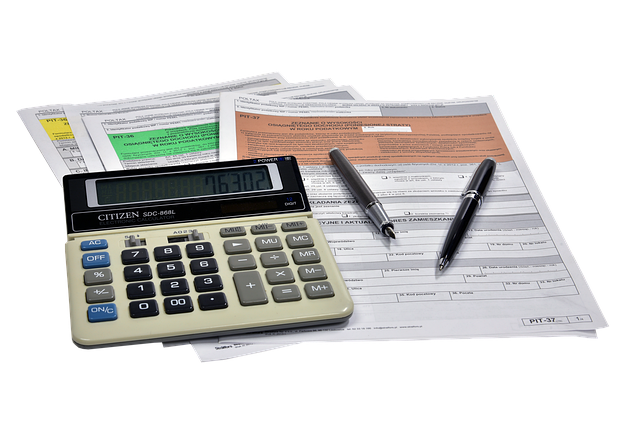
Improving energy efficiency is a powerful strategy to lower property taxes, offering both immediate cost savings and long-term benefits. According to recent studies, homes with superior energy efficiency can reduce utility bills by 20-30%, which directly translates into lower tax assessments. Property owners should focus on making their homes more energy-conscious, not just for the environmental advantages but also as a strategic move to optimize tax situations. For instance, upgrading to energy-efficient appliances and lighting fixtures can be relatively low-cost investments that provide significant returns in terms of reduced energy consumption.
When it comes to international tax optimization, particularly for freelancers or remote workers, understanding how energy efficiency impacts taxes is crucial. Many countries offer business expense deductions for implementing eco-friendly practices, allowing individuals to claim savings on their tax returns. For those with investment properties abroad, optimizing energy performance can enhance overall property value and potentially reduce capital gains tax implications. As an example, in some jurisdictions, renewable energy systems like solar panels are eligible for tax incentives, making the initial installation cost more feasible.
Furthermore, senior citizens taking advantage of these energy-saving measures can find additional benefits through specific tax programs tailored to their needs. Many regions offer senior citizen tax benefits and rebates for making homes more energy efficient, encouraging a healthier environment and financial savings. By combining energy efficiency with sound tax planning strategies, individuals and businesses can optimize their tax positions while contributing to a sustainable future.
To realize these advantages, property owners should start by conducting an energy audit to identify areas of improvement. Simple retrofits like sealing gaps around doors and windows or upgrading to smart thermostats can make a substantial difference. For businesses, consulting with tax professionals who specialize in international tax compliance can ensure that all eligible deductions are taken advantage of, reflecting accurately on financial statements and tax returns.
Explore Local Tax Relief Programs

Exploring local tax relief programs is a strategic move for property owners looking to lower their taxes naturally. Understanding tax systems varies from region to region, with diverse factors influencing assessments—from location and property value to economic conditions and local policies. Many jurisdictions offer incentives aimed at alleviating the financial burden on homeowners, especially the elderly. These programs often involve exemptions, deductions, or reductions for specific groups or circumstances. For instance, some cities provide tax breaks for seniors over 65 or those with disabilities, while others might offer relief to low-income families or first-time homebuyers. Staying informed about these local initiatives is key to unlocking significant savings.
Diversifying investment strategies can also indirectly impact property taxes. In today’s global economy, virtual currency taxes and tax laws are evolving rapidly, offering potential advantages for savvy investors. As taxation practices differ across countries, diversifying your portfolio internationally can mitigate risks and take advantage of favorable tax environments. However, it’s essential to consult experts who specialize in international taxation to ensure compliance with varying tax laws. For instance, some countries have lower property taxes or offer exemptions for certain types of investments, providing opportunities for strategic diversification.
To begin the process, assess your eligibility for existing tax relief programs and give us a call at business expense deductions to explore further. Property appraisers often consider factors like age, income, and local market trends when determining assessments. By understanding these dynamics, you can actively participate in the tax system, ensuring fair evaluations and taking advantage of available deductions. Remember, staying proactive and informed is essential when navigating the complexities of property taxes, enabling you to make strategic decisions that align with your financial goals.
Negotiate with Tax Authorities
Negotiating with tax authorities is a strategic approach to managing your property taxes. Many homeowners underestimate the power of open communication with local taxing entities. By initiating a dialogue, you gain insights into the assessment process and may uncover opportunities to legally lower your tax burden. This strategy involves a nuanced understanding of tax laws and regulations, which can be complex and vary across jurisdictions.
Expert advice suggests that proactive taxpayers can challenge their property valuations by presenting compelling evidence. For instance, if a recent renovation significantly improved energy efficiency, providing detailed cost breakdowns and before-and-after comparisons could strengthen your case for a lower assessment. Similarly, documenting significant improvements to landscaping or structural elements might prompt a reevaluation. Tax compliance is paramount, especially when pursuing such negotiations; freelancers with international clients should consider international tax optimization strategies to avoid double taxation while ensuring complete compliance.
Estate planning for taxes is another critical aspect often overlooked. Crafting a comprehensive plan can mitigate capital gains tax implications and ensure your estate’s long-term financial health. For example, transferring property assets through trust agreements can offer tax advantages, but it requires meticulous consideration and professional guidance. As property taxes fluctuate based on market conditions and assessment practices, staying informed about local trends is essential. Visiting us at estate transfer planning can provide tailored insights and strategies to optimize your tax position, ensuring compliance while minimizing expenses.
Consider Long-Term Property Planning

Strategic property planning is a powerful tool to lower your tax burden and optimize your financial situation. Considering long-term property management strategies can significantly impact your tax obligations. One effective approach involves assessing your property’s potential for revenue generation or cost savings over time, allowing you to make informed decisions that align with your financial goals and tax-saving objectives.
For instance, if you own commercial real estate, exploring different leasing arrangements or implementing energy-efficient upgrades could reduce operational costs and, consequently, your tax liability. Additionally, property owners can leverage various IRS tax forms (like Form 1040 or Schedule E) to accurately report income and expenses, ensuring compliance during tax season. As a beginner navigating taxes, understanding these forms is crucial for maximizing deductions and credits. The IRS provides comprehensive guides and resources, including tax season tips, to assist individuals in preparing their returns effectively.
International business owners face unique challenges when it comes to property taxes due to cross-border transactions. Proactive international business tax planning is essential to mitigate risks and ensure compliance with local laws. Keeping up with global tax deadlines can be complex, but professional guidance can help streamline the process. For instance, understanding double taxation treaties between countries can prevent paying taxes twice on the same income. During peak tax season, seeking advice from tax experts who specialize in international compliance deadlines is a wise strategy to avoid mistakes and take advantage of available tax breaks.
Visit us at [brand name] anytime for detailed insights into audit risk factors and innovative tax planning strategies tailored to your property portfolio. Our comprehensive guides, encompassing topics like IRS tax forms explained and tax season tips for beginners, empower you to make informed decisions throughout the year, ensuring optimal tax efficiency when it comes to your properties.
By assessing your property’s tax assessment, understanding available exemptions and deductions, improving energy efficiency, exploring local tax relief programs, negotiating with tax authorities, and considering long-term property planning, you can significantly lower your property taxes naturally. These strategies, backed by authoritative insights from this article, offer practical next steps to optimize your tax burden. Implement these measures effectively, and you’ll not only reduce costs but also contribute wisely to your financial well-being.