
Self-employed individuals face unique tax challenges requiring strategic planning. Key areas include income tax, Social Security, and Medicare contributions with a focus on accurate estimated tax payments. Complexities arise from blockchain regulations and financial assets like cryptocurrency and NFTs. Homeschooling families may qualify for specific tax benefits. Efficient management involves proactive strategies tailored to individual needs, leveraging deductions for business expenses, education, and home offices. Consulting a tax professional is advisable due to intricate laws. Staying informed about legislative changes is crucial. Effective tax planning significantly impacts financial health. By understanding tax credits, deductibles, and strategic savings, self-employed individuals can minimize their tax burden, ensure compliance, and maximize economic growth.
Calculating self-employed taxes can be a complex and intimidating task, leaving many individuals uncertain about their financial obligations. As a self-employed professional, understanding your tax responsibilities is crucial for navigating the financial landscape effectively. The challenge lies in comprehending various deductions, allowances, and compliance requirements unique to self-employment. This article serves as your authoritative guide, meticulously outlining the steps to accurately calculate self-employed taxes. By the end, you’ll be equipped with the knowledge to confidently manage your tax affairs, ensuring compliance and maximizing potential savings.
- Understanding Self-Employed Tax Obligations
- Calculating Income: Revenue and Deductions
- Tax Credits and Deductibles: What You Need to Know
- Filing Strategies for Optimal Tax Savings
- Planning Ahead: Year-End Tax Tips for Self-Employed
Understanding Self-Employed Tax Obligations

Understanding self-employed tax obligations is a crucial aspect of managing your financial health as an independent worker. Unlike traditional employees, self-employed individuals must navigate a broader range of tax considerations, encompassing income taxes, Social Security, and Medicare contributions. This involves accurately calculating and paying estimated taxes throughout the year to avoid penalties and interest. A strategic approach can help optimize tax efficiency, especially when considering unique areas like blockchain and digital asset regulations, which have emerged as significant factors in recent years.
For instance, the treatment of cryptocurrencies and NFTs has introduced new complexities into tax planning. As these assets gain mainstream acceptance, self-employed individuals who invest or trade in them must stay abreast of evolving digital asset regulations to ensure compliance. Additionally, homeschooling families may qualify for specific tax benefits, further complicating (or simplifying) their tax scenarios. These diverse factors underscore the need for proactive tax management strategies tailored to individual circumstances.
To effectively manage your self-employed taxes, consider consulting with a tax professional who can offer expert guidance based on your unique situation. This is particularly advisable given the intricate nature of current tax laws and regulations. For instance, a qualified advisor can help you leverage deductions related to home office expenses, business travel, and continuing education, thereby reducing your taxable income. Furthermore, staying informed about changes in legislation, such as those affecting self-employed individuals and digital asset owners, is essential for making well-informed decisions.
As you delve into the complexities of self-employed tax obligations, remember that efficient planning can significantly impact your overall financial picture. Visit us at Capital Gains Tax Management anytime to explore expert resources and gain deeper insights tailored to your specific needs.
Calculating Income: Revenue and Deductions
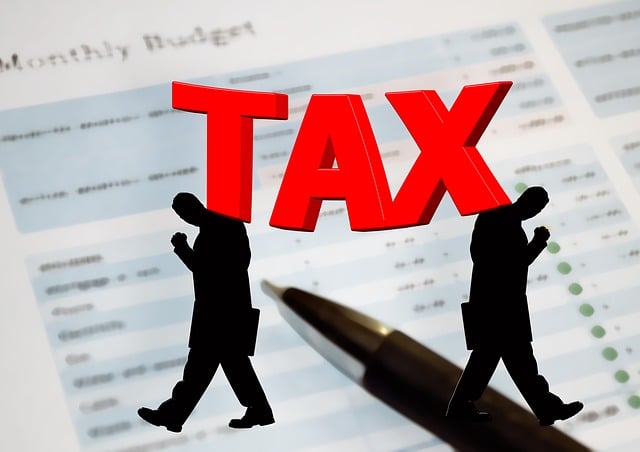
Calculating your taxes as a self-employed individual involves understanding both your revenue and deductions. This multifaceted approach ensures an accurate assessment of your economic growth, reflecting your business’s health and your personal financial situation. Revenue is straightforward; it’s the money you earn from your business activities. However, determining deductions is where many fall short, missing out on potential tax savings. Deductions include various expenses incurred in running your business, such as office supplies, travel, and equipment. It’s crucial to keep meticulous records of these expenditures to accurately reflect your income for tax purposes.
To calculate your taxable income, start by summing up all your revenue sources, including wages, contract work, freelance fees, and any other earnings directly linked to your business. Then, subtract the total deductions allowed under the law. This process reveals your taxable income, which forms the basis for calculating your tax liability. Remember, different jurisdictions have varying rules regarding what constitutes a deductible expense. Professional tax advice is invaluable in navigating these complexities. For instance, in some regions, sales tax and value-added tax (VAT) are significant considerations, impacting both revenue and deductions.
Understanding how to calculate income tax deductions and credits can significantly impact your tax burden. By carefully reviewing your business expenses, you may qualify for various tax incentives and deductions not initially apparent. For example, if you work from home, certain home office expenses might be deductible. Similarly, investments in technology or employee training could offer tax benefits. Finding us at how to calculate income tax deductions and credits provides access to resources and guidance tailored to your specific circumstances, ensuring compliance with taxation and economic growth principles.
Tax Credits and Deductibles: What You Need to Know

Calculating self-employed taxes involves understanding a complex web of deductions and credits designed to support independent workers. One of the key aspects to grasp is the interplay between tax credits and deductibles, which can significantly impact your final tax liability. Tax credits directly reduce the amount of tax you owe, while deductibles lower your taxable income by allowing you to subtract eligible expenses.
For instance, the Self-Employment Tax Deduction allows self-employed individuals to subtract half of their Social Security and Medicare taxes from their taxable income. This can be a substantial benefit, but it’s crucial to keep accurate records of business-related expenses throughout the year to maximize these deductions. Remember that what you can deduct varies based on your specific work activities and industry, so consulting online resources for tax learning dedicated to self-employed individuals is invaluable during tax season.
In navigating complex tax scenarios, it’s beneficial to consider both short-term savings through immediate deductions and long-term tax planning strategies. For example, investing in qualified retirement plans like a 401(k) or SEP IRA can lower your taxable income in the current year and contribute to future financial security. Furthermore, staying informed about changing tax laws and regulations will empower you to make strategic decisions that benefit your bottom line. A beginner’s guide to taxes should cover these foundational concepts, enabling you to confidently manage your self-employed taxes.
As your business grows, consider turning to professional assistance or utilizing tax preparation software designed for small businesses (like what we offer at [Your Company Name]) to ensure accuracy and take advantage of all eligible deductions. This is particularly true in cases of intricate financial arrangements or when seeking to minimize your overall tax burden legally and efficiently.
Filing Strategies for Optimal Tax Savings

Planning Ahead: Year-End Tax Tips for Self-Employed

Planning ahead for your taxes as a self-employed individual is crucial to ensuring a smooth financial journey at year-end. This strategy involves a combination of proactive measures and a deep understanding of the tax landscape. One effective approach is to anticipate potential tax liabilities by reviewing income projections and consulting with an accounting professional who can guide you through complex tax brackets and IRS forms (IRS tax forms, in particular, are essential tools for accurate reporting).
Estate planning for taxes should be an integral part of your strategy. By proactively managing your assets and investments, you can naturally minimize tax obligations and protect your financial well-being. For instance, understanding how different investment vehicles are taxed can help in making informed decisions. Tax brackets explained by the IRS provide a clear picture of income ranges that determine tax rates, allowing self-employed individuals to budget accordingly.
As your business grows, so do your tax responsibilities. It’s essential to stay organized and keep detailed records throughout the year. This includes keeping track of business expenses, receipts, and invoices. By doing so, you’ll be well-prepared when it comes time to file your taxes. Remember, accurate record-keeping is key to avoiding costly mistakes and ensuring compliance with IRS regulations (IRS tax forms, again, play a pivotal role in this process).
Consider seeking professional advice tailored to your specific situation. A qualified accountant or tax advisor can offer valuable insights into maximizing deductions, taking advantage of available credits, and navigating the ever-changing tax code. For instance, giving us a call at Property Taxes 101 (a trusted resource for many) can provide you with expert guidance on real estate taxes, ensuring compliance while exploring opportunities for savings. Planning ahead is not just about minimizing tax liability; it’s about financial security and peace of mind.
By understanding your self-employed tax obligations, calculating income with precision, leveraging tax credits and deductibles strategically, and employing effective filing strategies, you can significantly optimize your tax savings. Planning ahead with year-end tax tips ensures compliance and potentially reduces liabilities. This authoritative article equips you with the knowledge to navigate the complexities of self-employed taxes naturally, empowering you to make informed decisions and take control of your financial future.